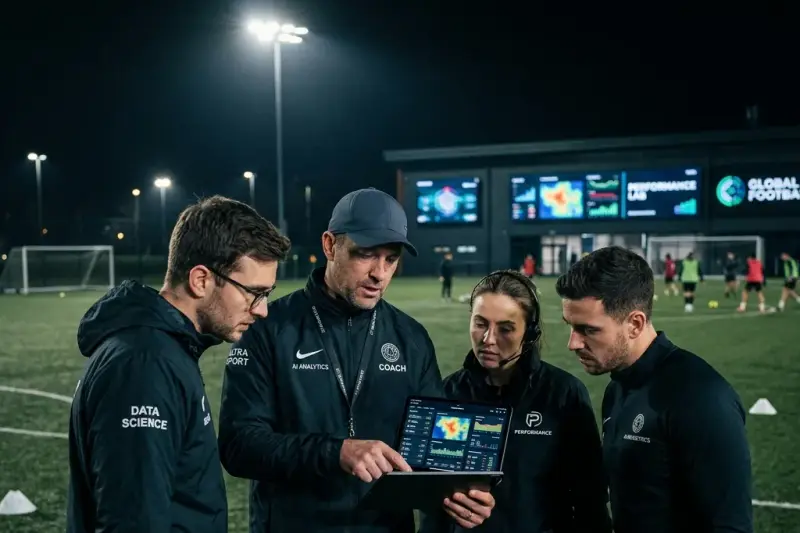
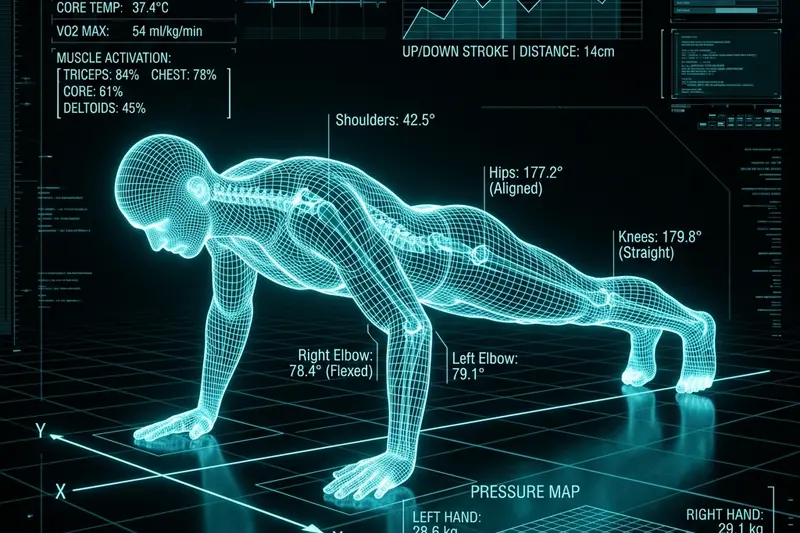
A GPS vest and a heart rate strap do not look threatening. But over a season, the data they collect amount to a detailed record of an athlete’s body, and that record can affect who gets picked, who gets paid and who gets talked about. The technical questions here are the easy ones. The hard one is trust.
More sensitive than they look
Heart rate, injury history and location are not neutral statistics. Combined, they can sway a selection, a contract or a public image.
In Europe, Article 9 of GDPR treats health data as sensitive, with stricter rules. World Athletics has its own protocol, built around a precise purpose, limited access and a reasonable retention period.
When “I agree” does not mean much
Ticking a box is not enough. Athletes need to know what is collected, who sees it, whether an outside company is involved and how to withdraw.
The balance of power is real, and a player may fear that saying no will count against them. European authorities note that an employee’s consent is rarely fully free for that reason, so clubs often need another legal basis and must justify it. They should also separate clearly what safety requires from what is only for analysis or publicity. In a 2017 paper, Katrina Karkazis and Jennifer Fishman summed up the risks of these technologies in professional sport under five headings: validity and interpretation of the data, increased surveillance, confidentiality, conflicts of interest and coercion.
What GDPR gives you
You can see your data, have it corrected, ask for it to be erased in some cases, and get it in a reusable format. So an athlete can ask their club what it holds on them, and the club should normally reply within a month.
Health data are prohibited from processing in principle, with regulated exceptions. Even GPS data count as personal once they are linked to an identifiable person.
When it leaks
In 2016, hackers known as Fancy Bears published medical files of top athletes stolen from the World Anti-Doping Agency, including therapeutic use exemptions.
Those documents were perfectly legal, and their release exposed people’s medical lives all the same. An injury history in the wrong hands can also hurt a transfer. The best protection is simple: keep only what is useful, for no longer than you need it.
Your data may be leaving the building
Sensors often send measurements to the supplier’s servers, sometimes outside Europe. A club should know where they are stored, whether they train the supplier’s models and what happens when the contract ends.
Betting adds a commercial angle. Very detailed performance data have value, and athletes have good reason to ask whether theirs are being sold, and to whom.
Two groups who need extra care
Many academy players are minors. Parents must consent, but the young person still deserves an explanation. Constant tracking can also give a teenager an anxious relationship with their numbers.
Menstrual cycle tracking is now common in women’s sport, and little is more intimate. It must be voluntary, restricted to medical staff and carry no consequences for anyone who declines. Poorly protected, it can feed unfair comments and decisions.
Five questions before you switch on a sensor
What problem are we solving? Who sees the results, and in how much detail? Where are the data kept? For how long? What happens when a player leaves?
Each dataset should have a named owner and a written purpose. The fitness coach does not need what the doctor needs, and the scout needs far less. Writing that down takes an hour and saves months of mistrust. It helps performance too, since an athlete who knows what a measurement is for will wear the thing properly and tell you when it breaks.
Key takeaway
An athlete’s data belong a little to them, even when the club pays for the sensors. Saying so out loud changes a lot.
Frequently asked questions
Can a club monitor an athlete all the time?
Being technically possible does not make it justified. The measurement must meet a clear and proportionate purpose.
Why limit access?
The fewer people with access to the data, the lower the risk of a leak or use out of context.
Can an athlete ask their club for their data?
Yes, GDPR provides a right of access. The club must in principle respond within one month.
Can sensor suppliers use players’ data?
Only within the limits set by the contract and the law. The club must check these clauses before signing.
Can a player leaving the club take their data?
GDPR provides a right to portability for certain data. It is advisable to cover this case in the club’s rules.
Are a player’s GPS data personal data?
Yes. As soon as they are linked to an identifiable person they are protected by GDPR in Europe, even if they do not directly concern health.
How long can a club keep its players’ data?
As long as the purpose requires, no longer. The club must set a period and justify it, particularly for health data.
Sources and method
This article draws on 4 sources, listed below. References checked in November 2026. Artificial intelligence tools help with research and writing: our method explains how. Found a mistake? Let us know and we will correct it and say so on the page. This article is for information and does not replace the advice of a doctor or sports professional who knows your situation.
- World Athletics, athlete data protection protocol
- Kim et al. (2025), ethical implications of AI in sport (Journal of Sport and Health Science)
- Regulation (EU) 2016/679, known as GDPR, official text (EUR-Lex)
- Karkazis and Fishman (2017), the ethics of biometric technologies in US professional sport (American Journal of Bioethics)