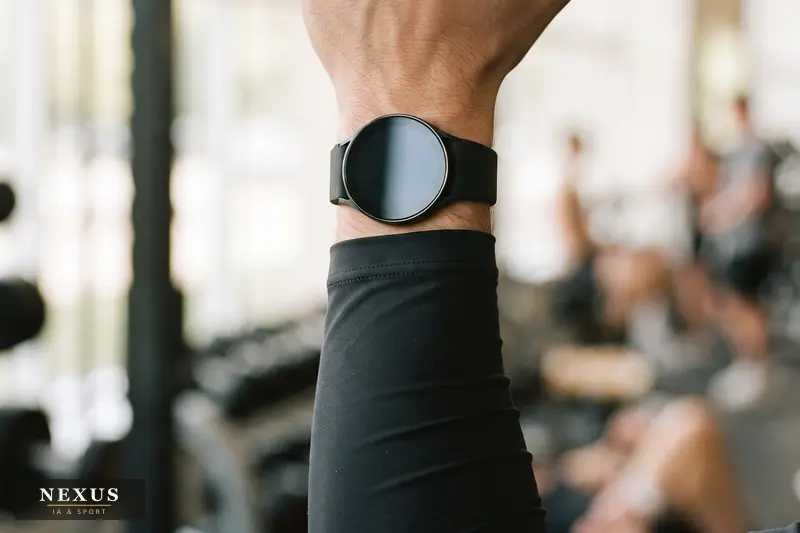
Esports loves technology, so you might expect its health problems to be futuristic. They are not. Ask players what hurts and they talk about their eyes, necks and wrists. A striking number never exercise at all. Teams buying biometric sensors might want to start by looking at the chairs.
What players say hurts
In 2019, Joanne DiFrancisco-Donoghue and colleagues surveyed 65 collegiate players at nine institutions in the US and Canada. They trained for three to ten hours a day. The top complaint was eye fatigue, ahead of neck and back pain, then wrist and hand pain.
The figure that stands out: about four in ten did no physical activity, and very few had seen a health professional about their pain. The picture depends on who you ask. In Germany, an online survey of 1,066 video game and esports players was less bleak: two thirds reported more than two and a half hours of physical activity a week, alongside 24 hours of play and nearly eight hours a day sitting.
Your eyes first
We blink far less at a screen than in normal life. Eyes dry out, vision blurs late in a session and headaches follow. Hours of intense focus on one spot speed the whole thing up.
Eye specialists often suggest the 20-20-20 rule: every twenty minutes, look at something about six metres away for twenty seconds. That is awkward in a match. In practice it is easy, and it makes a real difference.
Neck, back and wrists
Leaning towards a screen for hours keeps the neck and upper back under constant load, while mouse and keyboard work the tendons of the hand and wrist with fast movements repeated thousands of times.
Basic set-up solves part of it: screen at eye level, elbows close to the body, feet on the floor. Strength work and active breaks do the rest, and some pro teams now have full-time physiotherapists.
The late-night problem
Online tournaments can run late and players often practise at night. Screen light and the stimulation of the game delay sleep, and energy drinks, everywhere in this world, do not help. One study put wrist monitors on 17 professionals from South Korea, Australia and the United States: they slept a median 6.8 hours a night and fell asleep at around 3:43 a.m.
Poor sleep slows decisions and sours your mood, two things a competitive player cannot afford. A regular bedtime helps, even if it is a late one.
Why fitness belongs in the schedule
Several professional teams now build physical training into the week. A stronger back and shoulders cope better with long sessions, and cardio helps with sleep and stress.
With so many players in the 2019 survey doing no exercise, this may be the easiest and most valuable fix in esports health. It comes well before any sensor.
It is a thinking sport, which is why eye-tracking gets interesting
Researchers such as Matthew Pluss compare esports with chess. The best players stand out less for raw reflexes than for recognising situations and anticipating. That expertise can be trained, as in any other sport.
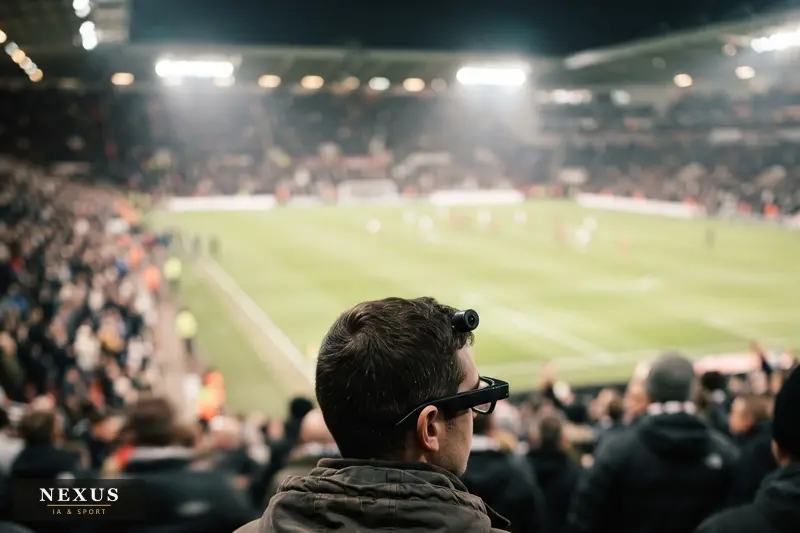
Eye-tracking shows where a player looks, such as how long they check the mini-map. It cannot tell you what they understood, and an experienced player may need only a glance.
What the sensors are worth
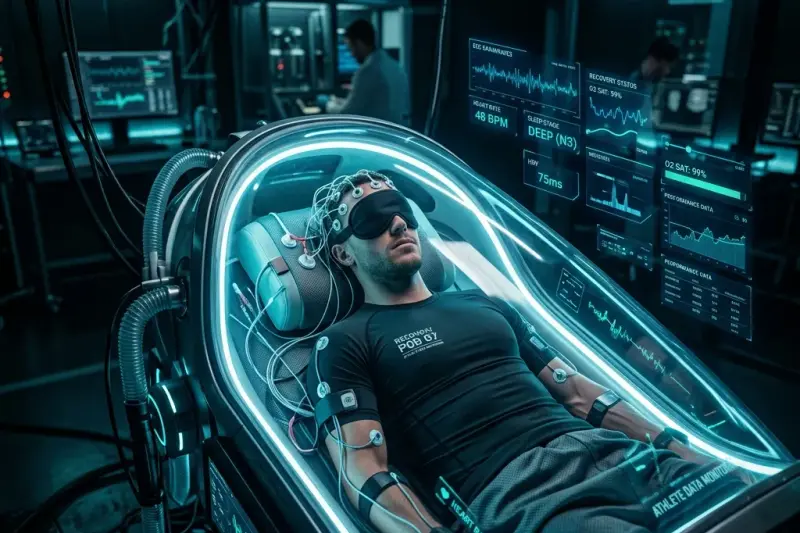
Teams are testing chest straps, morning heart rate variability, brain-activity headsets and eye trackers. Pulse is solid. Consumer brain headsets remain experimental.
A heart rate that climbs in a tight game is just normal stress. The useful question is how a player recovers between games, and whether their form fades across a long tournament. Tracking that is pointless if nobody then teaches them to manage stress with breathing or a routine, and a team buying sensors before decent chairs has its priorities backwards.
If your child wants to go pro
Many players start very young, while their bodies and sleep patterns are still developing. Long night sessions can weigh on growth, schoolwork and mental health.
Banning it is not the only answer. Agree hours, breaks, some sport and proper sleep. A young player with big dreams should know that the best-organised pros live by exactly those rules.
Key takeaway
Before sensors, esports health comes down to breaks, posture and exercise. The data can come later.
Frequently asked questions
What are the most common health problems in esports?
According to available surveys, eye fatigue and pain in the neck, back and wrists.
Does eye-tracking make a player better?
It helps analyse gaze habits. Progress comes from what you do with it in training, not from the measurement itself.
How many hours a day does an esports pro play?
Often between six and ten hours, counting team practice, solo play and video analysis.
Are blue light glasses useful?
Evidence on eye fatigue is weak. Breaks and adjusting screen brightness have more effect.
Which sport would you suggest for an esports player?
One they enjoy and do regularly. Strengthening the back and shoulders is especially useful for coping with long sessions.
How can I avoid wrist pain when gaming?
Adjust the height of your desk and chair, keep your wrist in line with your forearm, take regular breaks and strengthen the forearm. Persistent pain should be shown to a professional.
Is esports recognised as a sport?
The debate remains open. The International Olympic Committee is following it closely, and several countries officially recognise esports competitions.
Sources and method
This article draws on 4 sources, listed below. References checked in November 2026. Artificial intelligence tools help with research and writing: our method explains how. Found a mistake? Let us know and we will correct it and say so on the page. This article is for information and does not replace the advice of a doctor or sports professional who knows your situation.
- DiFrancisco-Donoghue et al. (2019), health of collegiate esports players (BMJ Open Sport & Exercise Medicine)
- Pluss et al. (2019), esports as the chess of the 21st century (Frontiers in Psychology)
- Rudolf et al. (2020), health and habits of 1,066 video game and esports players in Germany (IJERPH)
- Lee et al. (2021), sleep and mood of professional esports athletes (IJERPH)