In April 2019, an AI beat the world champions at Dota 2. Months later, another reached the top tier of StarCraft II. Plenty of people assumed the human coach was finished. What actually happened was stranger and more useful: the machines made professionals question things they had taken for granted for years.
Two wins that shook the scene
OpenAI Five beat OG, then the Dota 2 world champions, in April 2019. Later that year, DeepMind reported in Nature that AlphaStar had reached Grandmaster at StarCraft II, above 99.8% of ranked players on the official servers.
To keep it fair, AlphaStar’s actions per minute were capped near human level. It won mainly through its decisions, not by clicking faster than a person could.
How do you learn a game in a few months?
AlphaStar first imitated human games, then improved by playing other versions of itself in a kind of internal league. OpenAI Five learned almost entirely by self-play on thousands of machines at once.
OpenAI said its system had racked up the equivalent of tens of thousands of years of games. No human can get that much experience, and it let the system find ideas nobody had tried.
Read the small print on those wins
These were not normal competitive conditions. OpenAI Five played with a reduced pool of heroes, when Dota 2 offers more than a hundred. AlphaStar’s first demonstrations were one race against the same race.
That takes nothing away from the engineering. It does remind you that an AI can be brilliant inside a fixed setting and lost when the setting moves, and the same applies to coaching tools.
An opponent with no preconceptions
What struck players most was how odd some choices looked. The systems shared out resources and sacrificed units in ways the community had long written off as bad. Humans tried some of those ideas and kept them. Go offers the clearest measurement of that effect. A 2023 study analysed 5.8 million moves by professionals between 1950 and 2021: after superhuman AI arrived, their decisions improved and previously unseen moves became more frequent.
That is the most concrete gift AI has given the scene: an opponent that has never heard the conventional wisdom.
What teams actually use today
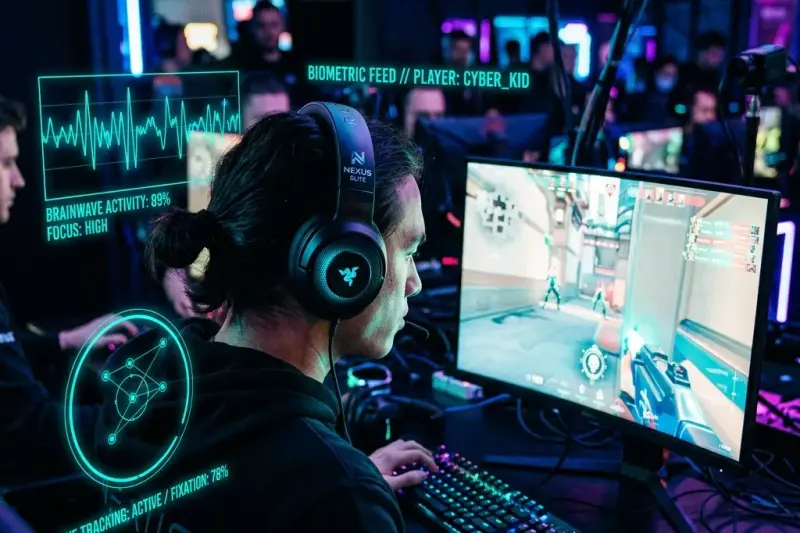
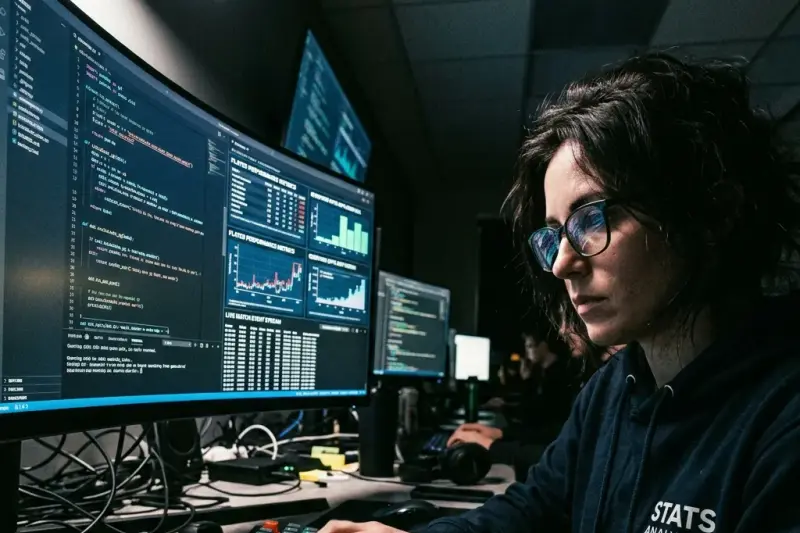
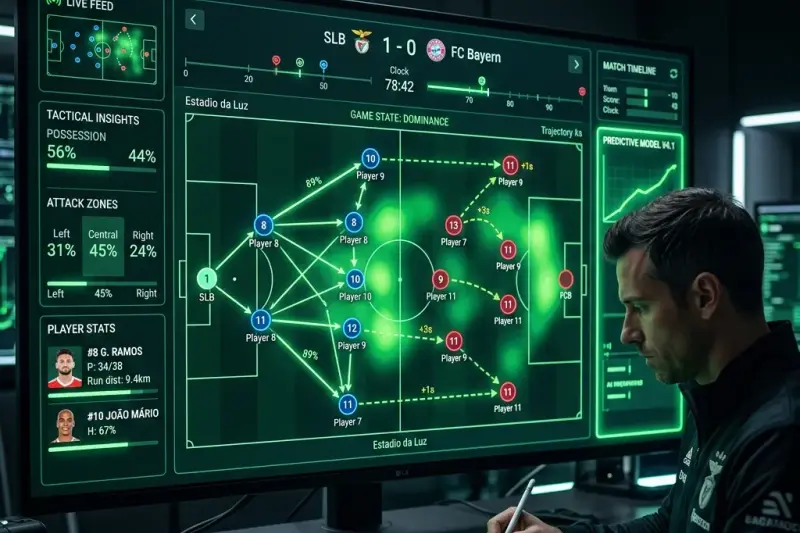
The tools in daily use are far humbler. They read replay files and pull out map positions, timings and resources won and lost. They find the moment a team lost its lead, and locate similar situations across hundreds of games. Some calculate a win probability at every second, which pinpoints when a game turned. In League of Legends or Dota 2, models also help prepare the draft against an opponent’s preferences.
AI also helps keep the game clean. In 2018, Valve presented a deep learning system that catches Counter-Strike cheats by analysing how they aim, and other publishers have followed. A sport whose credibility rests on fair play needs that more than it needs exhibition wins.
The job no model can do
A coach spends much of the day on people. They calm tensions, decide who plays the big match, pick someone up after a defeat and set the rules for life on a long tournament. None of that comes out of game statistics.
They also turn analysis into instructions. Software can show that a team keeps losing fights after minute twenty. Someone still has to work out why and find a way of saying it to five tired players the night before a match.
What an amateur team can steal
Replay tools exist in free or cheap versions for most big games. Do not watch everything. Go through each defeat looking for the moment the game turned.
And take a lesson from 2019: a strategy everyone calls bad might work. Try an unusual idea in practice now and then, when the result does not matter.
Key takeaway
The great AI systems of 2019 mostly taught pros to doubt what they took for granted. Day to day, the useful tools just analyse replays.
Frequently asked questions
Can you train against these systems?
AlphaStar and OpenAI Five are no longer available to the public. Games offer other training AIs, which are much weaker.
Can an AI replace an esports coach?
No. It speeds up game analysis, but managing the human side of a team remains out of its reach.
Do pro players train against AI?
Rarely against high-level systems, which are not available. They mainly use replay analysis tools.
Is generative AI used in coaching?
Some teams use it to summarise notes or prepare reports. It does not replace detailed analysis of the game.
Does an amateur esports team need a coach?
It is not essential, but having someone who stands back during games and organises the analysis helps a lot.
What is AlphaStar?
An artificial intelligence developed by DeepMind, which reached Grandmaster level in 2019 in the strategy game StarCraft II, above nearly all ranked players.
What is OpenAI Five?
A team of five AIs developed by OpenAI to play Dota 2. In 2019 it beat the world champion team OG in an exhibition match.
Sources and method
This article draws on 3 sources, listed below. References checked in November 2026. Artificial intelligence tools help with research and writing: our method explains how. Found a mistake? Let us know and we will correct it and say so on the page. This article is for information and does not replace the advice of a doctor or sports professional who knows your situation.